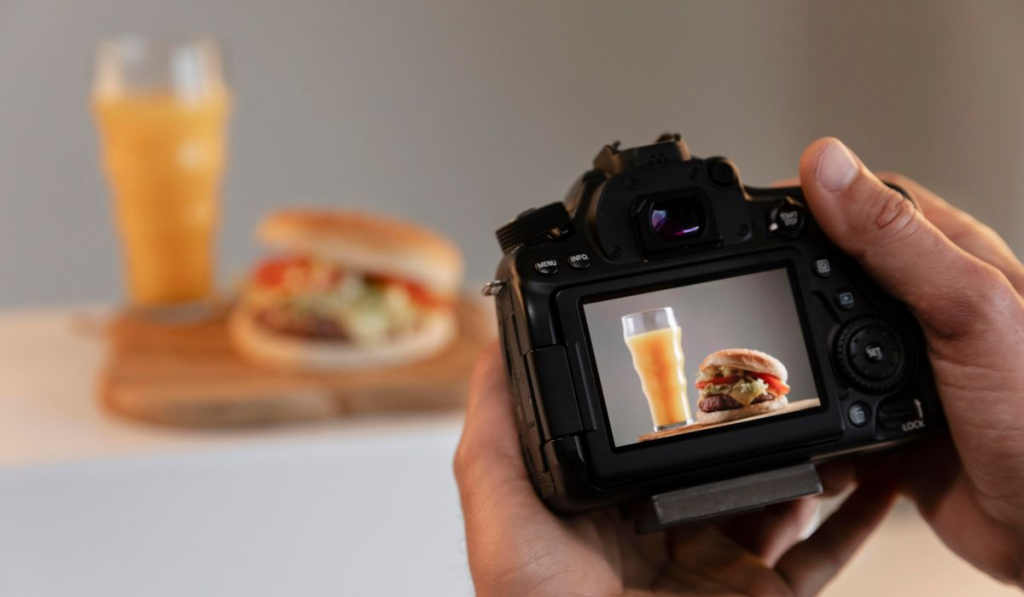
Jewellery photography is one of the most technically demanding disciplines in product photography. Rings, necklaces, bracelets, and earrings are small, highly reflective, and full of fine detail — and getting all of that right in a photograph requires specialized equipment, years of experience, and a retoucher who knows what they’re doing.
If you’re a jewellery brand, designer, or retailer in Montreal, this guide explains exactly what professional jewellery photography involves, why it matters for your online sales, and how to get the best results from your shoot.
Why Jewellery Photography Is So Difficult
Reflections are everywhere. Metal surfaces — especially gold, silver, and platinum — reflect everything around them. A poorly lit studio will show the lights, the camera, and the photographer in every polished surface. Controlling reflections requires diffusion panels, specialized tent lighting setups, and often, post-production work to remove remaining artefacts.
Diamonds and gemstones require sparkle. You’ve seen those jewellery ads where diamonds practically leap off the page with brilliance and fire. That’s not luck — it’s the result of precise point lighting designed to catch the facets of each stone at just the right angle.
Scale and proportion are tricky. A ring photographed in isolation can look enormous or tiny depending on how it’s framed and lit. Communicating the true size and wearability of a piece requires careful composition and often multiple shots from different angles.
Post-production is extensive. Even after a perfect shoot, jewellery images typically require significant retouching: removing dust and fingerprints, enhancing brilliance, adjusting metal tones, and compositing multiple exposures to capture both the metal and the stones at their best.
What Professional Jewellery Photography in Montreal Includes
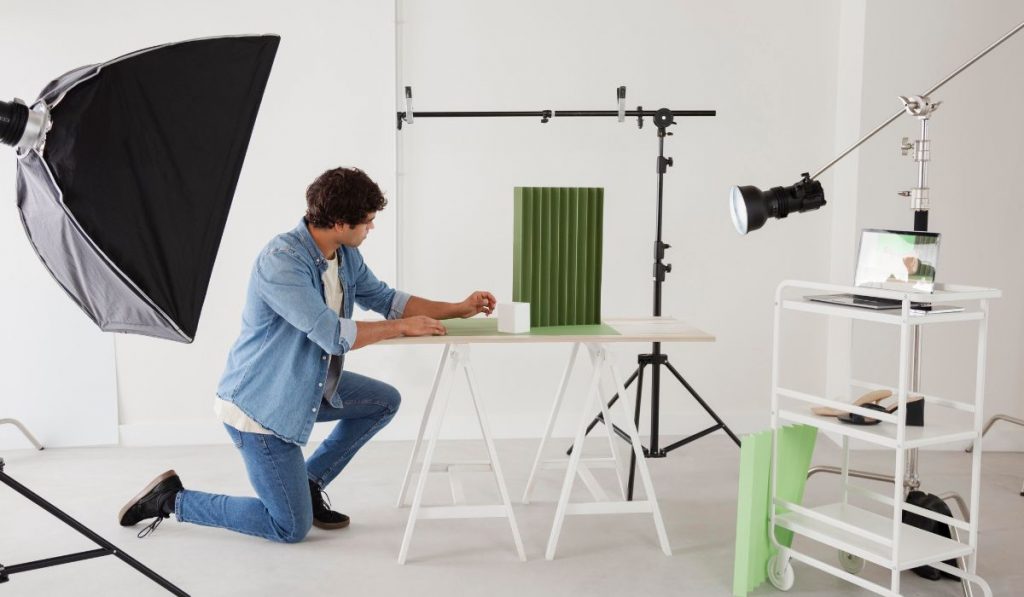
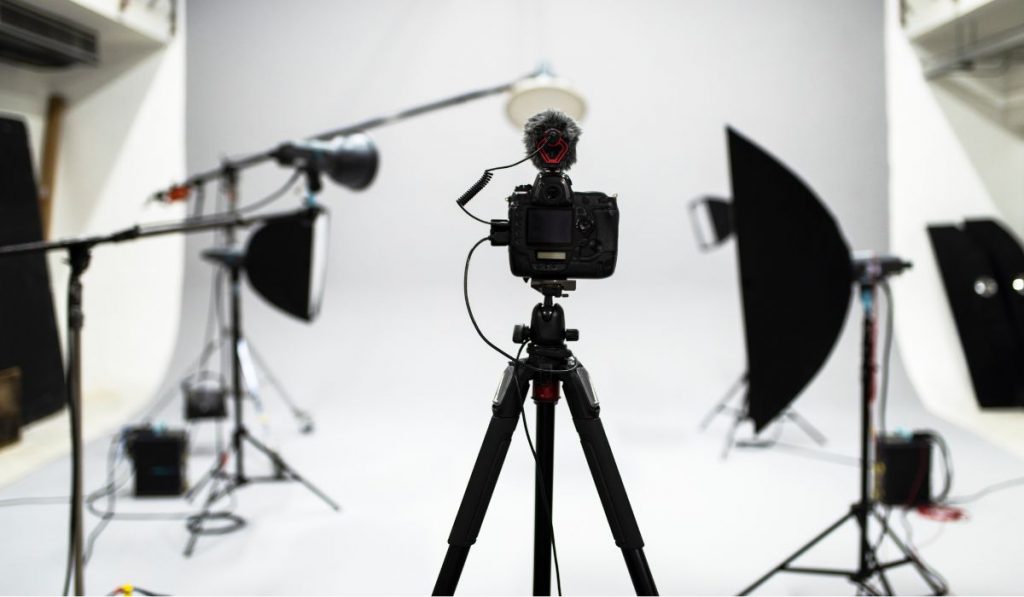
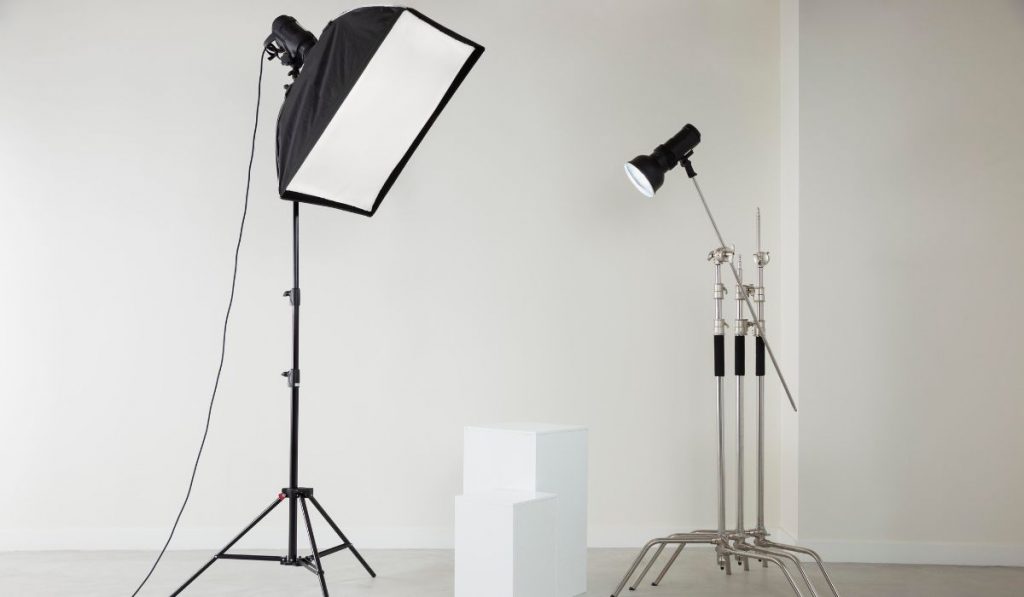
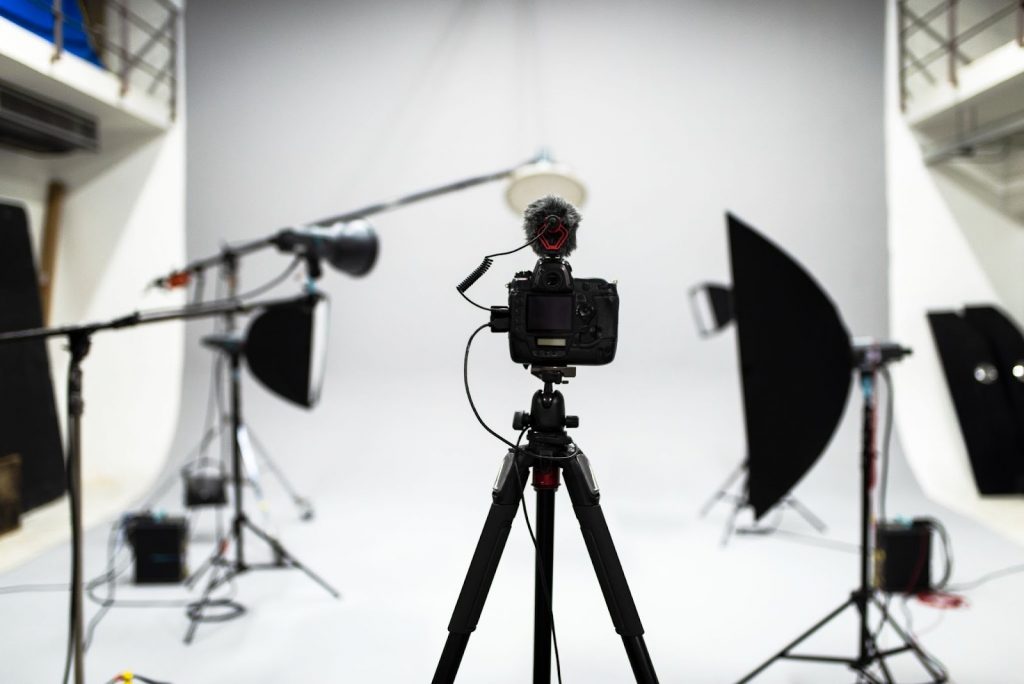
Studio preparation and setup. A dedicated jewellery lighting setup — not repurposed general product lighting — is essential. This typically involves diffusion tents, arm-mounted point sources for diamond sparkle, and controlled backgrounds.
Multiple angles per piece. For a ring, you typically need a straight-on face shot, a 3/4 angle, a profile view, a detail shot of the stone setting, and potentially a lifestyle shot on a hand. Plan for 4–6 shots per piece for a complete commercial set.
Careful handling. Your pieces are valuable and often irreplaceable. A professional studio will treat your inventory with the same care you do — gloves, proper handling protocols, and secure storage between shots.
Post-production retouching. Every image should be delivered fully retouched: dust and lint removed, reflections controlled, metal tones adjusted, and stone brilliance enhanced where appropriate.
Multiple file formats. You’ll need web-optimized images for your website and social media, and higher-resolution files for print, wholesale catalogues, or marketplaces.
Jewellery Photography Styles
White Background (E-Commerce)
The standard for marketplace selling — Etsy, Amazon Handmade, your Shopify store. Clean, consistent, white or light neutral background that puts the piece front and centre. Ideal for showing the product clearly and meeting marketplace requirements.
Lifestyle / Editorial
Pieces photographed on a model, hand, or in a styled scene. These images are powerful for social media, advertising, and brand storytelling. They communicate not just the product but who wears it and the emotion behind it.
Flat Lay
Arrangements of multiple pieces photographed from above, often with complementary props or backgrounds. Popular on Instagram and Pinterest, and useful for collections or seasonal campaigns.
Detail / Macro
Extreme close-ups of settings, hallmarks, textures, or stone facets. These images communicate craftsmanship and quality in a way that standard shots simply cannot.
Preparing Your Jewellery for a Photography Session
Clean everything. Even fingerprints from the morning before will show up under studio lighting. Use a soft polishing cloth and, for gemstones, a gentle jewellery cleaner appropriate for the stone type.
Inspect for damage. A bent prong, a loose stone, or a worn clasp will all be visible in high-resolution photography — and you don’t want customers seeing them first. Fix any issues before the shoot.
Organize your pieces. Know exactly which pieces you need photographed, in what order, and which angles are priority. The more organized you arrive, the more efficiently the session runs.
Consider your styling needs. Do you need ring stands? Velvet backings? A model hand? Discuss these requirements with your photographer in advance.
Why Montreal Jewellery Brands Choose Professional Studios
The jewellery market in Montreal is rich and diverse — from fine diamond retailers on Rue de la Montagne to independent designers in the Plateau and Le Mile-End, to handmade artisans selling on Etsy from their studios in Rosemont. All of them face the same challenge: making their pieces look as beautiful online as they do in person.
A professional product photography studio in Montreal offers local accessibility — you can bring your pieces in personally rather than shipping them, which is particularly important for high-value inventory. It also means face-to-face communication, which is invaluable when you want to communicate a specific aesthetic or mood.
Book Your Jewellery Photography Session in Montreal
At Product Photography Montreal, we’ve photographed pieces ranging from handcrafted silver earrings to high-end diamond engagement rings. Our studio is equipped specifically for jewellery work, and our retouching team understands exactly what it takes to make fine accessories shine.
We work with designers, retailers, manufacturers, and individual artisans — at any scale, from a single hero image to a full catalogue shoot.
Ready to make your jewellery shine online? Contact us for a free consultation and quote. We serve clients throughout Montreal, Laval, and the greater Quebec region.
Product Photography Montreal | 763 de l’Épée, Montréal, QC H2V 3V1 | +1-438-815-8781 Photographe de bijoux à Montréal — services en français disponibles.
If you’re selling on Amazon and you’re based in Montreal — or shipping products from Quebec — you already know that great product photography is the difference between a product that sells and one that sits. Amazon’s marketplace is brutally competitive, and your images are doing the heavy lifting before a single word of your listing is read.
This guide walks you through exactly what Amazon requires, what separates average listings from top sellers, and why working with a professional product photography studio in Montreal makes a measurable difference to your bottom line.
Why Amazon Product Photography Is Different
Amazon has specific, non-negotiable image requirements. Your main listing image must show the product on a pure white background (RGB 255, 255, 255), have the product fill at least 85% of the image frame, be at least 1,000 pixels on the longest side (to enable zoom), and contain no watermarks, text overlays, or additional props.
Fail to meet these standards and Amazon may suppress your listing entirely — meaning your product won’t appear in search results at all. Beyond the main image, you can upload up to 6 additional images and a video. This is where the real work happens: lifestyle shots, infographic images, scale reference photos, feature callouts, and 360° detail views.
The Montreal Advantage: Why Local Matters
Working with a product photography studio in Montreal gives Amazon sellers a real edge.
Speed and turnaround. When you need reshoots, additional angles, or urgent updates to your listing, you can drop by the studio — no shipping products across the country or waiting weeks. Many Montreal studios offer turnaround times of 24–48 hours for standard shoots.
Bilingual market understanding. Montreal is a bilingual city, and many Quebec-based Amazon sellers are marketing to both English and French Canadian consumers. A local studio understands this context and can help you consider packaging, text overlays, and cultural cues that resonate with both audiences.
Hands-on product handling. Fragile items, electronics, jewelry, and apparel all require careful, experienced handling. Working locally means your products don’t get bounced around in shipping before the shoot.
Lower cost of revision. If a shot isn’t quite right, you can communicate directly, in person, with the team — and corrections can often happen the same day.
What Great Amazon Product Photography Includes
Main White Background Images
Clean, professional shots on a pure white background are the foundation of any strong Amazon listing. These images need to be technically perfect — no shadows bleeding into the white, no color fringing, no clipping. This is where professional studio equipment and retouching expertise earn their keep.
Lifestyle and Context Images
These shots show your product in use. They help buyers imagine the product in their life, which is particularly important for home goods, apparel, accessories, and beauty products. A well-styled lifestyle image can lift conversion rates significantly.
Infographic and Feature Callout Images
Montreal sellers competing in crowded categories often overlook infographic images. These overlays — dimensions, material callouts, key features — help buyers understand the product at a glance, reducing returns and improving review scores.
Comparison and Scale Images
Show your product next to a common object (a hand, a coin, a standard object) so buyers understand actual size. This reduces the most common reason for returns on Amazon: the product being larger or smaller than expected.
Detail and Texture Shots
For jewelry, apparel, electronics, or anything with surface texture or fine detail, extreme close-ups communicate quality that generic packaging photography simply cannot.
Amazon Photography Pricing in Montreal: What to Expect
Professional product photography pricing in Montreal varies depending on the number of SKUs, the type of shoot, and the level of post-production involved. Simple white-background shots are typically priced per image or per product. Lifestyle photography is generally higher, as it involves styling, location or set design, and sometimes models. Studios may offer bundled packages covering all image types for a complete listing.
The most important thing to understand is that photography is not a cost — it’s an investment. A professional set of Amazon images typically pays for itself within the first few months through improved conversion rates.
How to Prepare Your Products for a Product Photography Shoot
Clean everything thoroughly. Fingerprints, dust, and smudges are invisible to the eye but will show clearly in high-resolution studio images.
Prepare multiple units if possible. Having backup products on hand means the shoot can continue if one unit is damaged or shows a defect.
Know your hero shot. Decide in advance which angle is your primary image. This helps the photographer plan the session efficiently.
Bring reference images. If you’ve seen competitor images you like, or have a style in mind, show the photographer. It saves time and aligns expectations.
Check your Amazon category requirements. Some categories have additional guidelines — check before the shoot, not after.
Common Amazon Photography Mistakes Montreal Sellers Make
Skipping the white background requirement. Some sellers use off-white or light grey backgrounds thinking they’ll be close enough. They won’t pass Amazon’s requirements and the listing will be suppressed.
Under-investing in lifestyle images. The main image gets you the click. The lifestyle images close the sale. Don’t spend your whole budget on hero shots and leave lifestyle images as an afterthought.
Using the same image set for years. Amazon’s algorithm rewards fresh content. If your listing images are more than 18–24 months old, a refresh may boost your ranking directly.
Not enabling zoom. If your main image is under 1,000 pixels on the longest side, the zoom function won’t activate. Zoom is one of the most-used features on product pages.
Photographing products yourself. Smartphones have come a long way, but Amazon’s marketplace has also become far more sophisticated. DIY photography may have worked in 2017. In 2026, professional images are expected — and anything less signals low quality to buyers.
Why Choose Product Photography Montreal
At Product Photography Montreal, we specialize in ecommerce and Amazon product photography that meets every technical requirement while making your products look their best. Our team works with sellers of all sizes — from entrepreneurs launching their first product to established brands managing hundreds of SKUs.
Located in Montreal, we offer fast turnaround, competitive pricing, and a studio environment built specifically for the demands of ecommerce photography. We’ve worked with products across virtually every Amazon category: electronics, health and beauty, clothing and apparel, home goods, jewelry, food and beverage, sports equipment, and more.
Ready to upgrade your Amazon listings? Contact us today to discuss your product photography needs. We offer free consultations and can typically schedule your shoot within the week.
FAQ: Amazon Product Photography in Montreal
Do you shoot to Amazon’s exact specifications? Yes. Every image we deliver meets Amazon’s technical requirements, including pure white backgrounds, minimum resolution standards, and file format specifications.
How many images do I need per product? For a complete Amazon listing, we recommend a minimum of 5–7 images: one main white background shot, two to three additional white background angles, one lifestyle image, and one infographic or feature callout.
How quickly can I get my images? Standard delivery is within 48–72 hours of the shoot. Rush delivery is available for time-sensitive launches.
Can you handle ghost mannequin photography for apparel? Yes. Ghost mannequin photography for clothing is one of our specialties. It gives garments a professional, three-dimensional appearance without the expense of a model.
Do you serve sellers outside of Montreal? We primarily serve clients in Montreal and the greater Quebec region, but we work with out-of-province clients who ship their products to our studio regularly.
Product Photography Montreal | 763 de l’Épée, Montréal, QC H2V 3V1 | +1-438-815-8781 Serving Montreal, Laval, Longueuil, and the greater Quebec region.
Related Resources
Looking to expand beyond Amazon? Here are more resources to help you build a complete e-commerce visual strategy:
The Amazon ecosystem has expanded well beyond the basic 7-image listing carousel. These additional guides cover the most important Amazon-adjacent image work for Montreal brands in 2026:
Some think high-end photography is only for luxury brands. This is wrong; even mundane products need professional photos. Good images make everyday items look trustworthy and appealing. They grab attention online and encourage clicks instantly.
Moreover, investing in professional images for simple items increases online retail growth. It turns ordinary items into visual experiences that customers appreciate.
When shoppers boorowse online stores, images make the first impression. Poor photos reduce trust and sales. However, professional images show product quality clearly. Studio lighting techniques make colors and details stand out. Simple and clean shots remove distractions. Even ordinary products look premium and appealing online.
How First Impressions Affect Online Sales
Online shopping relies on first impressions. Shoppers decide to click based on images alone. However, clear images create trust and attract attention. In addition, consistent images across platforms enhance a visual branding strategy.
Studies show that high-quality product images increase click-through rates. Functional products feel more valuable with professional photography. Social media shares also increase because attractive images grab attention. Consequently, investing in professional photography leads to higher online retail growth. Visual appeal directly influences purchasing decisions in today’s market.
Studio Lighting Techniques Elevate Functional Products
Lighting transforms ordinary products into appealing visuals. Studio lighting techniques emphasize textures, shadows, and shapes effectively. Montreal Product Photography uses professional lighting setups to improve functional products. Soft light creates depth while highlighting product details. Shadows make images look real. Moreover, good lighting keeps minimalistic shots clean and professional.
For example, a simple kitchen tool looks premium with proper studio lighting. Hence, functional products appear attractive and trustworthy online. Amazon product photography benefits from consistent lighting, improving the visual branding strategy. Thus, professional lighting enhances online customer engagement. This leads to getting more conversions.
Why Minimalistic Product Shots Work Best
Minimalistic product shots remove distractions from the background. Clean images allow the product to shine. Montreal Product Photography uses plain backgrounds for everyday products. This approach emphasizes shape, color, and design effectively. Moreover, simple images improve a visual branding strategy across platforms.
For instance, functional products like tools or kitchen items gain credibility with minimalistic product shots. Shoppers focus on details that influence buying decisions. Consequently, online retail growth increases because customers trust the product. High-quality images with simplicity boost click-through rates and sales. Minimalistic shots are essential for Amazon product photography and E-commerce product photography.
Boosting Online Retail Growth with Professional Photography
Professional photography drives online retail growth in measurable ways. Clear images increase conversion rates and reduce return requests. Therefore, Product Photography Montreal creates images that highlight details effectively. Online customers respond better to professional visuals. Consequently, functional products and veryday products gain higher sales potential.
High-quality images also improve social media engagement. Shoppers share attractive product photos frequently. This organic exposure drives traffic to online stores. In addition, consistent professional images build a recognizable visual branding strategy. Montreal Product Photography ensures non-luxury products receive professional attention. Professional photos make products appear trustworthy and increase online customer engagement.
How Amazon Product Photography Makes a Difference
Selling on marketplaces like Amazon requires standout images. Functional products compete with dozens of similar listings. Professional Amazonproduct photography makes listings attractive instantly. Montreal Product Photography creates marketplace-ready images that highlight every detail. Consequently, online shoppers are more likely to click and buy.
Proper images follow Amazon’s size, background, and format standards. Using professional photography reduces listing rejections and improves online visibility. Moreover, consistent photography supports visual branding strategy across all product listings. Non-luxury products appear polished and appealing next to high-end alternatives. This increases trust and encourages online customer engagement, improving sales.
Tips to Make Everyday Products Look Premium
Use consistent backgrounds in all images. Montreal Product Photography applies this method to strengthen the visual branding strategy.
Highlight textures and features using studio lighting techniques. Proper lighting increases online customer engagement.
Focus on minimalistic product shots. Clean images improve clarity for functional products.
Include multiple angles to show product functionality. Multiple views increase trust in online marketplaces.
Maintain consistency across Amazon product photography and E-commerce product photography. Consistency improves recognition and online retail growth.
The ROI of Investing in Product Photography
Investing in product photography brings measurable returns. Clear images improve online customer engagement and reduce returns. Product Photography Montreal ensures every image highlights functionality and appeal. Even everyday products appear more trustworthy and desirable.
Professional images increase conversion rates and attract more clicks. Hence, a visual branding strategy strengthens brand recognition. Amazon product photography improves marketplace performance. In addition, minimalistic product shots make functional products stand out. Consequently, investing in professional photography results in higher online retail growth.
Conclusion
Even mundane products deserve high-end product photography. Professional images make everyday products attractive, trustworthy, and desirable. Montreal Product Photography uses studio lighting techniques and minimalistic product shots. This strategy improves the visual branding strategy and online customer engagement. Moreover, functional products appear polished and professional across Amazon, E-commerce platforms, and social media. Investing in professional product photography is an essential tool for online retail growth.
Curious how to improve functional product appeal online?
What services does Product Photography Montreal provide for mundane products?
Product Photography Montreal provides minimalistic shots for mundane products. Each service ensures images improve online customer engagement and strengthen the visual branding strategy. High-quality photography enhances product appeal, increases trust, and encourages purchases. Using professional photography services boosts online growth.
How do minimalistic product shots improve online sales?
Minimalistic product shots remove distractions and focus on product details. Product Photography Montreal ensures each shot highlights important features. Clean images make functional products look professional and trustworthy. This approach attracts customers and increases retail growth.
Why is studio lighting important for non-luxury products?
Studio lighting techniques highlight textures and shapes clearly. Product Photography Montreal ensures every functional product looks polished. Proper lighting improves customer engagement and boosts conversions. Thus, professional lighting enhances product appeal and online growth.
Can professional photography help with online marketplaces like Amazon?
Amazon product photography requires high-quality images. These images must follow the platform standards. Product Photography Montreal creates marketplace-ready visuals that attract attention and clicks. Clear photos increase customer trust and improve online customer engagement. Using professional photography improves sales and online retail growth.
How does high-quality photography support a visual branding strategy?
Professional images strengthen a visual branding strategy across multiple platforms. Product Photography Montreal ensures each functional product looks consistent and professional. High-quality visuals increase customer engagement and trust. Thus, online retail growth improves using professional photography.
Further Reading: Montreal Product Photography Resources
Explore related guides to strengthen your 2026 product photography plan:
A professional photo shoot can make or break how your product is perceived online. Strong images sell. Weak ones get ignored. As a product photographer in Montreal, we’ve seen both ends of the spectrum. Some clients show up fully prepared and get incredible results. Others rush the prep and wonder why their photos don’t hit the mark.
The good news is this: preparation work requires no special skills because all it takes is dedicated focus, proper planning, and basic self-control. Product Photography Montreal starts its shooting process because we believe that the actual shooting time begins before any camera equipment is used. The time spent preparing for your session holds equal importance to the activities that take place inside the studio.
Here’s how to get your products truly ready for a professional shoot.
Start With Clean, Flawless Products
This sounds obvious, but it’s the step most people underestimate.
The camera detects every fingerprint and dust particle and scratch and dent present in the environment. Studio lighting reveals even the smallest details which people tend to overlook when they observe things directly. Before your shoot, clean every product thoroughly. Use gloves if needed. Wipe surfaces, polish reflective areas, and inspect each item closely.
If your product has variations, check all of them. Don’t assume they’re identical. We’ve seen small differences between units that matter once they’re photographed side by side.
A product photographer in Montrealcan retouch minor issues, but heavy fixes slow things down and add cost. Clean products save time. And time matters.
Finalize Packaging Before the Shoot
If your product includes packaging, make sure it’s final. Not “almost final.” Not “we’ll tweak the logo later.” Final.
We’ve had clients shoot packaging, then change fonts, colors, or wording weeks later. That usually means reshooting. Packaging photography needs to match what customers actually receive.
The task requires checking for spelling mistakes, alignment problems, bent corner defects, and color inconsistencies. The boxed item requires inspection to confirm that its edges remain sharp and its labels appear straight. If it’s flexible packaging, remove air bubbles and creases as much as possible.
At Product Photography Montreal, we shoot what you bring. If it’s unfinished, it shows.
Know Where the Photos Will Be Used
Before the shoot, be clear about where the images are going.
Amazon? Shopify? Website banners? Social media ads? Print?
Each platform has its unique set of requirements. For instance, Amazon has very stringent rules. Lifestyle ad placements require photos that have a lot of space for text. Website images often require consistency across collections.
When we know the end use, we shoot smarter. As a product photographer in Montreal, we don’t guess. We plan framing, orientation, and composition based on how the images will actually be used.
If you’re unsure, that’s fine. Just tell us. We’ll guide you.
Choose the Right Quantity, Not Just More Photos
More photos don’t automatically mean better results.
A collection of powerful images needs to be selected instead of choosing from a wide range of mediocre images. The customer needs to see specific items that will help them make a purchasing decision. Most situations require five types of images, which include front, back, detail, scale, and context.
We often help clients narrow this down. At Product Photography Montreal, we aim for purpose-driven shots. Every image should earn its place.
Too many angles can confuse buyers. Clear visuals convert better.
Prepare Any Props or Accessories in Advance
If your product requires props, accessories, or complementary items, bring them ready to go.
For lifestyle shoots, think through what supports the story without overpowering the product. Neutral props work better than trendy ones that date quickly. Avoid anything scratched, chipped, or worn unless that’s intentional.
If you’re unsure what works, ask us beforehand. As a product photographer in Montreal, we’ve styled everything from food to tech to beauty products. We know what distracts and what enhances.
And don’t bring extras last-minute without mentioning them. It affects setup time.
Label and Organize Everything
This step saves more headaches than you’d expect.
If you’re sending multiple products, variations, or SKUs, label them clearly. Include a simple list that matches what you want photographed. Don’t assume we’ll “figure it out.”
Disorganization slows down the shoots. Mistakes happen when things aren’t clearly identified. We prefer clarity over improvisation.
At Product Photography Montreal, we treat every product carefully. Organization helps us do that properly.
Think About Brand Consistency
Your photos should feel like they belong to your brand, not just look nice.
Think about color tones, mood, background preferences, and overall style. Minimal? Bright? Dark? Clean? Bold?
If you have existing photos, share them. If you have a brand guide, even better. This helps us align visuals with your identity.
As a product photographer in Montreal, we don’t impose a style. We adapt to yours. But we need direction to do it right.
Ship Smart or Drop Off Carefully
If you’re shipping products to us, pack them properly. Broken items delay shoots. Include return labels if you want products sent back.
If you’re dropping off locally, give yourself time. Rushing leads to forgotten items. We’ve seen it happen more than once.
Once everything arrives, we’ll confirm and prep the studio accordingly.
Trust the Process During the Shoot
Once the shoot starts, trust the workflow.
We adjust lighting, angles, spacing, and details constantly. Sometimes we’ll move things slightly or suggest alternatives. That’s part of the job.
At Product Photography Montreal, our goal isn’t just to take photos. It’s to create images that work in the real world. Sales pages. Ads. Marketplaces.
Good preparation allows us to focus on that instead of fixing avoidable issues.
Plan for Quebec bilingual packaging before the shoot
Quebec brands face one prep step that other markets skip. The Charter of the French Language and the 2022 update under Bill 96 require French to appear on product packaging, hangtags, and the inserts you ship with each unit. French text must be at least as prominent as any other language on the panel. So before you bring a box, a bottle, or a label to the studio, confirm the French version is final and matches the print run you plan to release. If you are shooting both unilingual and bilingual variants, decide which faces forward in the hero shots and which appears in the detail shots. Lifestyle frames that show packaging in a customer’s hand should match the bilingual stock a Quebec shopper will actually receive. We have reshot panels because the English mockup went to the studio instead of the bilingual print master. That is an avoidable round-trip.
Clean and Inspect by Material Before You Pack
Studio lighting catches what daylight forgives. Five minutes of cleaning per unit prevents an hour of retouch billing later. Wipe each piece with the cloth that matches its surface, then hold it under a small LED bulb at the angle the camera will see.
Glass and acrylic: use a microfibre cloth with isopropyl alcohol, wipe in one direction, then dry-buff. Skip aerosol cleaners; the residue beads under continuous light.
Leather: dust with a soft horsehair brush, then condition lightly if the surface looks dry. Avoid silicone polishes, which cast a wet sheen on camera.
Metal and plated finishes: handle with cotton or nitrile gloves from the moment you clean them. A single fingerprint shows up at hero-frame zoom.
Fabric and apparel: steam, do not iron pleats flat. Roll a lint brush over every seam and pocket lining. Black, navy, and charcoal pieces need a second pass under raking light.
Ceramic and stoneware: rinse with distilled water, air-dry, and bag each piece so the unglazed base does not chip in transit.
Run a Defect Inspection Pass by Product Category
Pull every unit you plan to ship and inspect it as if you were the buyer opening the box. Mark anything questionable with removable tape on the underside so the studio rotates it out of the hero frame.
Apparel: check seam alignment at the shoulder, loose threads at hem and cuff, label crookedness inside the collar, and any pilling on dark fabrics.
Jewelry: test every clasp, magnet, and screw-back. Inspect stone settings under a loupe for chips, and look for plating wear at high-contact points such as ring shanks.
Packaged food and beverage: verify label registration, bilingual French panel coverage, batch and best-before legibility, and cap or seal alignment. Pull any dented unit.
Leather and wood goods: watch for unfinished stitching at corners, grain inconsistency on visible faces, and small glue squeeze-out near hardware.
Electronics and accessories: check that ports are dust-free, screens are unscratched, and any printed model number or regulatory mark is the version you actually sell.
Build a Sample-Handling Protocol Before You Ship
Most prep mistakes happen on the studio receiving end, not at your bench. A short protocol that travels with the shipment removes the guesswork.
Insure for replacement value. Note the declared value on the waybill and include a packing slip that lists every SKU and quantity. Carriers pay out faster with an itemized list attached.
Plan the return trip. Include a prepaid return label, or a written instruction if the studio is authorized to donate or dispose of samples after the shoot.
Batch by shoot day, not by SKU. If apparel ships on Tuesday and accessories on Thursday, send two clearly separated batches rather than one mixed crate.
Match the SKU code on every unit to the shot list. A handwritten “blue one” guarantees confusion. The code on the bag should match the code in the spreadsheet and the file-rename schema you want delivered.
Leave out anything you cannot replace. Vintage stock, one-of-one pieces, and last-run hand-finishes belong on a separate on-location shoot or an in-person drop-off, not a courier truck.
Send Multiple Units for Marketplace Catalogues
Single-unit shoots are a false economy for any catalogue sold on Amazon, Shopify, or Etsy. Manufacturing variation, handling marks during the shoot, and the studio’s need for a clean swap push the realistic ratio toward three to five identical units per hero SKU.
One hero, two backups, one knockaround. Mark the hero with a dot of removable tape on the underside. The hero is reserved for finals; backups cover continuity if a flaw appears mid-shoot.
The knockaround unit is for the team. It is the piece used for lens tests, gel checks, and rough-light blocking before the hero ever comes out of the bag.
Match lot numbers when possible. Dye lots on fabric and finish batches on metal vary more than the eye registers in showroom light. Same-run units cut colour-correction time per frame.
Send the packaging revision you actually sell. If your box has a new sticker, a new QR code, or an updated certification mark, do not ship older inventory from the back shelf.
Hand Over the Brief, Not Just the Boxes
A short written brief, locked in before the day, saves more time than any on-set conversation. Most reshoots get scheduled because the brief was assumed rather than written.
Shot list, one row per frame. Each row names the SKU, the angle (front, three-quarter, top-down, in-use), the background (pure white, lifestyle, on-model), and the deliverable resolution or aspect.
End-platform list. Tell the photographer where each frame is going. An A4 wholesale catalogue needs different crop margin than a 1080-pixel mobile carousel.
Hero-to-lifestyle ratio. If you want 60 percent pure-white and 40 percent lifestyle, write that ratio on the brief rather than guessing on set.
Brand-spec reference. Send any printed colour swatch, a sample of your packaging in its actual finish, and one or two reference images you respect for tone.
Lead time. Dedicated white-background catalogue work typically books two to three weeks out; multi-day campaigns with set builds and models are closer to six to eight.
Match Your Prep to Where the Image Will Run
Every channel you sell on has its own image rules, and prepping the products without those rules in mind is how a shoot ends up needing a second pass. A 1:1 square that looked clean on Instagram gets cropped awkwardly the moment it lands on a Shopify product card that wants 4:5. A hero shot framed for your homepage might violate Amazon’s main-image rules and quietly get suppressed in search results.
Before the shoot, write down the exact channel and frame ratio for every photograph on the list. Amazon main-image listings require pure white (RGB 255,255,255), the product filling at least 85 percent of the frame, no props, no shadows, no text. Shopify product cards usually run 1:1 in the collection grid and 4:5 on the detail page, with a longer 16:9 horizontal banner for collection heroes. Etsy thumbnails crop tightly to a 2000-pixel square, so anything important near the edges gets clipped. Google Merchant Center rejects watermarks and promotional badges, and Meta product catalogue images cannot include text overlays for paid placement. Send this channel list to your photographer with the brief. A studio that shoots white-background product photography for e-commerce daily will already know the Amazon spec by heart, but a flat-lay shoot intended for Etsy needs the square-crop intent flagged on the call sheet, not figured out in post.
Send Reference Images, Not Just Boxes
A reference image is meant to anchor a visual decision. Pulling ten random Pinterest shots that “feel right” wastes the photographer’s time and rarely produces what you wanted. The most useful references are tightly chosen and clearly captioned.
Pick three images per shot type, no more. For each one, write a one-line note about what specifically you want copied: the lighting angle, the prop styling, the background tone, the post-processing colour grade. Note also what you do not want copied. If you love the camera angle but dislike the colour grade, say so on the reference itself. Mix on-brand competitors with one or two aspirational outliers, then mark which is which. Avoid sending edited social media screenshots; compression artifacts and platform filters distort the actual look. Where possible, pull from photographer portfolios or brand-owned product galleries instead. A short walkthrough of a Montreal product shoot gives a useful sense of what a studio can actually replicate, and a lifestyle reference gallery shows the gap between editorial mood-board imagery and shippable e-commerce frames. When the reference is a lifestyle shot but the deliverable is a tight white-background hero, flag that gap on the brief so it gets discussed, not assumed.
Work Backwards From the Launch Date
A shoot date is not the deadline. The launch is. Set the launch date first, then mark every prep checkpoint that has to land in front of it.
Working backwards from a Monday launch, the retoucher needs the raw files by the prior Tuesday for a standard turnaround. The shoot has to land by the Thursday before that. The samples need to arrive at the studio by the Monday morning of shoot week. Couriered from outside Quebec, that means dropping at the carrier on the previous Wednesday at the latest. Before any of that, the brief and shot list have to be locked, because once samples are in transit you cannot add a new SKU without restarting the schedule. A useful rule of thumb: lock the brief two weeks before the launch, ship samples nine days out, shoot six days out, retouch starts four days out, files delivered two days out. Variant-heavy catalogues, set-build campaigns, and packaging pulls all run longer than a basic catalogue shoot; the Montreal packaging photography guide covers the extra prop and print-deadline steps a packaging shoot tends to add. For seasonal launches that overlap with print catalogue cutoffs, back the schedule out an extra week and confirm the studio’s calendar on the pricing and booking page before committing ship dates with your supplier.
Dimensional Prep for Measurement-Sensitive SKUs
Hardware, industrial parts, small furniture, kitchenware: any product where a buyer guesses the wrong size has a return waiting at the other end. Prep that headache out before the shoot starts.
Pull the spec sheet for each SKU and write the real-world dimensions on a tag taped to the product. Send a tape measure or ruler in the same box as the sample, even if you do not want it in the final shot. Most studios will burn a frame against a known scale reference so retouching can verify proportions on the way to delivery.
If a listing on Amazon, Wayfair, or your own Shopify needs an in-hand or in-context shot, decide which household or workshop object will sit beside the product (a credit card, a coffee mug, a standard outlet) and source that prop in advance. The studio will keep that reference consistent across the SKU set so customers can size up two products against the same yardstick.
Common Pre-Shoot Mistakes That Cost Reshoot Fees
A reshoot rarely happens because the camera was wrong. It happens because something on the prep side wasted the shoot day, and the brand has to ship a second sample and pay for a second slot. Five patterns turn up over and over in Montreal studio bookings.
The first is finger oil on glossy plastics, glass, and chrome that the brand assumed could be wiped at the studio; lint-free wipes and gloves at packout fix this for free. The second is batch mismatch between marketing samples and what is actually shipping, which leaves the listing photo showing a label revision the customer cannot buy. The third is missing decorative props (loose tea leaves, sliced fruit, a folded napkin) that the brief calls for but the box does not contain.
The fourth is late dieline or print-proof approval on packaging shots, which forces the photographer to guess the trim and crop badly. The fifth is an ambiguous brand-color brief: “warm but neutral” reads three ways and reshoots half the catalogue.
Final Thoughts
Preparing your products for a professional shoot doesn’t require perfection. It requires intention. Clean products. Clear goals. Finished details. Organized delivery.
When clients take prep seriously, the results show. The images look sharper. The shoot runs more smoothly. The final gallery performs better.
As a product photographer in Montreal, we’ve learned this through experience. Preparation isn’t optional. It’s the foundation of strong product photography.
If you do the work upfront, we’ll take care of the rest.
FAQs
1. How far in advance should I prepare my products for a shoot?
Ideally, preparation should start at least a week before the shoot. This gives you time to clean, inspect, and finalize details without rushing.
2. Can you help decide what shots we actually need?
Yes. At Product Photography Montreal, we regularly help clients define shot lists based on where the images will be used.
3. Do products need to be brand new?
They should be in the best possible condition. Any wear, marks, or defects will show on camera.
4. What if I’m not sure about styling or props?
That’s fine. We can advise you during planning and help you make choices that support your product, not distract from it.
Further Reading: Montreal Product Photography Resources
Explore related guides to strengthen your 2026 product photography plan:
In Montreal, a creative and competitive metropolis, brands seek visibility. They aim to grow without losing their true identity. Product photography in Montreal is powerful for trust creation. Many businesses rely on it, yet its value is under recognized. Every picture online, on packaging, or marketing communicates the brand. Each image becomes a visual point for audience perception. Consistent style, mood, and quality strengthen brand personality. Uniform visuals make a brand more memorable and recognizable.
The Role of Visual Consistency in Brand Building
Brand identity, however, is not an instant creation. It gradually evolves as audiences constantly see and understand the same visual language, values, and messages. Among the factors influencing this process, product photography is most decisive. It shapes how customers perceive the brand and remember it clearly. Lighting, color, angle, background, and composition are all united in their purpose of conveying trustworthiness and professionalism.
Customers may be misled by inconsistent product images, and as a result, the company’s reputation may suffer. Conversely, a consolidated visual strategy makes the customer accustomed to it. If a customer can recognize a product image as a particular brand’s image immediately, the customer’s trust goes up and the customer’s decision to buy becomes less difficult. In the case of Montreal’s fast-moving retail and ecommerce scene, this is no longer the case as consistency has become a must.
Why Montreal Brands Depend on Professional Product Photography?
Montreal has a reputation as a city with a culture that emphasizes design and consumers who are particularly conscious of what’s visually appealing. High standards for visual quality exist not only in the case of local fashion retail but also in global e-commerce operations based in the city. Aesthetic photos taken by less-skilled individuals or featuring poorly matched products may still harm a product’s credibility, even if the product is genuinely very good.
Professional product photography ensures that all images align with the character of the brand. Consistency through images not only recalls the brand but also brings to the customers the idea of a certain look and feel of the product quality, thus they are more likely to come back again and again.
Consistency Across Platforms Builds Trust
Contemporary brands operate on various platforms. The use of product visuals is common in websites, social media, marketplaces, ads, and email campaigns. If the quality or style of the images greatly differs among these channels, it will be as if the brand experience has been divided into parts.
The use of consistent product photography establishes a unified path. The customer who first finds a product on Instagram and then goes to the web should see the same visual identity in all three places. This visual mate-ness tells the customers that the brand is professional, trustworthy, and precise about details.
The Psychology Behind Repeated Visuals
The human brain is naturally programmed to identify patterns. A certain visual style seen by customers frequently becomes their friend, and thereby it is comforting. Such trust is built quietly even before the purchase is made. Whenever the company uses the same pictures or graphics, there is less doubt and stronger ties to the brand developed.
Perceived value is also influenced by well-made, cohesive product images. Products that are visually clear and deliberately displayed usually seem more expensive. This effect directly influences pricing strategies in competitive markets like Montreal. It also impacts brand positioning and overall market perception significantly.
How Consistent Photography Supports Marketing Performance?
Brand identity alignment with visuals enhances marketing campaign performance. Ads using the same imagery usually report better engagement since it seems that they are not random but rather intentional. Consistent product photography makes campaign planning easier and more efficient. It allows visuals to be reused across multiple platforms effectively. Recycled images retain their impact while maintaining brand consistency.
Consistency also has a positive effect on conversion rates. Well-defined and professional pictures minimize doubts, give visual answers, and make customers feel sure about their purchasing decisions. In online shopping, in particular, where buyers have no chance of touching the items, photos form the major factor of the choice-making process.
Local Understanding Makes a Difference
The varied market of Montreal requires a delicate visual treatment. Different cultures, design movements, and buyers’ likes are the points of dissimilarity among sectors. Partnering with a local studio that is knowledgeable about the area provides the brands the opportunity to be consistent and, at the same time, maintain their relevance.
Product Photography Montreal is situated at the crossing point of creativity and conversion. Every project goes through a strategic thinking process, thus making visual images not only appealing but also in line with the brand’s goals. This harmony is vital for brands that intend to increase their visibility without giving up their true nature.
Why Brands Choose Product Photography Montreal
To wrap things up, it’s imperative to clarify the reason behind the trust of many brands in Product Photography Montreal when it comes to their visual identity. It is not the case that the studio only cares about taking beautiful pictures. The cooperation is encompassed by communication, flexibility, and outcomes, as each project is handled like a partnership.
Situated right at the center of Montreal, the staff merges their local knowledge with the strategic thinking of the whole group. The primary aim in every photography session is that the produced pictures are very attractive to the audience and yet still tell the brand’s story. The very same thing is the case when it comes to the startups trying to create a visual identity and the well-known companies that are in the process of branding; consistency is always the basis of the project.
The distinguishing feature of the brand really is the skill of listening and adapting. Visual marketing is always personalized, and Product Photography Montreal includes each customer’s specific requirements in every shot.
Conclusion
In the competitive market of Montreal, consistent product photography is among the most powerful tools to enhance brand identity. The use of uniform visuals significantly affects the trust-building and recognition processes, as well as the performance and sales of the marketing efforts, thus being a key factor in the long-term success. Professional and uniform imagery is a trademark of the brands that want to be associated with growth, credibility, and customer loyalty. Partnering with a skilled Montreal product photographer means that each photo taken will form a strong, visible, and high-performing brand presence.
FAQs
How does product photography impact brand identity?
Product photography defines how a brand looks and feels visually, influencing perception, credibility, and emotional connection.
Can consistent photography improve e-commerce sales?
Yes, clear and cohesive images reduce uncertainty, improve user experience, and increase conversion rates.
Is professional product photography necessary for small businesses?
Professional photography helps small businesses compete visually, establish credibility, and create a strong first impression.
How does Product Photography Montreal approach brand consistency?
Each project is guided by strategy, collaboration, and attention to detail, ensuring every image aligns with the brand’s identity and goals
Building a Consistent Image Library: Related Guides
Brand consistency is a multi-specialty discipline. Our studio publishes category-specific playbooks that align with this guide’s principles:
Every year, when the holiday season rolls around, we see the same pattern: everyone’s chasing shoppers’ attention. Discounts, flash sales, free shipping. But the truth is, none of that matters if your products don’t look the part. At Product Photography Montreal, we’ve seen how one powerful photo can do more for a holiday campaign than a dozen ads. It’s the reason so many brands rely on E-commerce Photography Montreal to make their seasonal launches pop.
We know the chaos that comes with this time of year, last-minute inventory, new products, and tight deadlines. It’s hectic. But the right photos cut through all that noise. They tell a story, set the mood, and make people stop scrolling long enough actually to care. That’s what sells, and that’s what we love doing.
Why Product Photography Matters So Much During the Holidays?
Holiday shopping is one of the most emotional activities. People are not only buying gifts; in fact, they are buying moments, memories, and feelings. So, if your visuals resonate with that emotion, then you are already halfway to the sale.
Here’s why seasonal product photography is a total game-changer:
Instant connection: Quality visuals evoke emotions in people even before they see the caption.
Brand consistency: Using holiday-themed pictures in your ads, social posts, and store gives a consistent look and feel.
Professional quality: Sharp, clear pictures are a sign of trust, especially when customers are buying from you for the first time.
Standing out: Your products have to be the ones that make people stop scrolling in a feed full of noise.
Good photos not only demonstrate the appearance of a product. They let people visualize having it. That is the kind of pull you want at the holidays.
Our Process for Holiday E-commerce Photography
We’ve done enough seasonal shoots to know that every brand has its own energy. That’s why we don’t use cookie-cutter templates. We build each project around the brand, your tone, your colour palette, and your audience.
Here’s how we usually handle it:
Plan it out: We talk through your campaign ideas and make sure we’re capturing the right vibe.
Set the scene: From lighting to styling, we create the mood that matches your message.
Shoot fast, shoot right: We’re big on meeting deadlines. You’ll never be left hanging during crunch time.
Polish it up: Our edits enhance the shot without making it look fake or overproduced.
You won’t find any forced filters or over-the-top setups here. Just honest, clean photography that actually sells.
The Difference E-commerce Photography Montreal Makes
We get it, anyone can take a photo these days. But can that photo sell your product? That’s a whole different story. That’s where E-commerce Photography Montreal comes in.
What we do is part art, part marketing. We think about how your customers browse, what they look for, and what kind of image makes them stop scrolling. That mindset drives every shot we take.
Our focus stays on three things:
Clarity: Every detail of your product is visible and sharp.
Emotion: A touch of personality that connects with your audience.
Conversion: Images designed to turn curiosity into clicks.
When your photos check all three boxes, you don’t have to work as hard to convince people to buy. The visuals do the talking.
How Holiday Photography Helps You Sell More?
We’ve watched local brands double their sales just by investing in better seasonal photography, no crazy ad budget. No gimmicks. Just visuals that hit right.
Here’s why it works so well:
It creates urgency: Holiday photos remind shoppers that time’s running out.
It builds credibility: Professional shots make your brand look legit.
It sparks emotion: Festive images put people in that buying mindset.
It ties your marketing together: When your ads, website, and socials match, everything feels more cohesive.
And when people feel that consistency, they trust your brand. That trust turns into sales.
Why Local Matters: Our Montreal Advantage?
We’re not a faceless studio you send products to and hope for the best. We’re local. We understand Montreal’s creative scene, the small business grind, and the kind of visuals that resonate with people here.
Here’s what working with a local team gets you:
Quick turnarounds and easy drop-offs
Transparent pricing (no surprises on the invoice)
A dedicated crew who actually cares about your project
Real communication, not just automated emails
We’re hands-on from start to finish because we know that trust is earned, not advertised.
Timing Is Everything
If you’re planning a seasonal launch, start early. Seriously. We’ve seen too many great ideas get rushed because the photos came in late. Ideally, you want to book your E-commerce Photography Montreal session at least a month before your campaign goes live.
That gives you time to:
Review and select your favourite shots
Make edits if needed.
Prep your listings and ads.
Plus, the earlier you start, the more room there is to get creative. We can experiment with props, lighting, and setups that take your product from “nice” to “wow.”
Final Thoughts
During each festive season, the spectacle of brands striving to be noticed is something we all witness. Brands that anticipate, spend on high-quality visuals, and visually communicate their story are the ones that take the trophy. We at Product Photography Montreal are committed to ensuring that your products are not the ones that just blend into the crowd this year.
We are end-to-end with you, but it doesn’t have to be complicated. You provide the product, we provide the know-how, and the result will be something that connects. Because ultimately, superb photos don’t merely have a nice appearance, they influence buying decisions.
Let’s Make This Holiday Your Best Yet
If you’re ready to level up your visuals and stand out this season, it’s time to work with a Montreal product photography team that gets it. We’ll capture the feeling of your brand and the energy of the holidays all in one frame.
Don’t wait until the rush hits. Get in touch today, and let’s plan a shoot that’ll make your products the ones people can’t scroll past.
FAQs
What is the reason for professional product photography being so critical for online shops? The reason is that it creates trust, makes the product clearer and easier to examine, and is a great growth factor for customer confidence in buying decisions.
When should I book a photoshoot at the earliest? The best time for booking is four to six weeks prior to the campaign launch, as this allows adequate time for planning and making revisions.
Are your photos all lifestyle setups or pure studio images? We do both. Our style is to customize each shoot according to the brand’s character, target, and products.Will you assist with my product listings on Amazon or Shopify? Of course, we will assist you. We will optimize your pictures for the major platforms in a manner that they will fit all specifications and also be eye-catching.
Montreal Doesn’t Copy; It Sets Trends. If you’ve spent more than five minutes wandering around this city, you already know that. From the ancient cobblestone streets of Old Port to the graffiti along Saint-Laurent, everything here is layered, surprising, and stylish.
Being a fashion photographer in Montreal is not about framing a shot or knowing good lighting. It’s about knowing what makes this city tick. The people, the culture, the grit, the charm. Each photo has a story to tell that only a Montrealer would truly get.
This city’s vibe doesn’t come from a studio; it comes from the streets. Let’s talk about how photographers here tap into that energy and why it matters so much when you’re trying to create fashion visuals that actually mean something.
Montreal Is a City of Contrasts, and That Shows in the Work
Montreal exists between two worlds simultaneously. It has the elegant French, clean-lined silhouettes, minimalist aesthetic, but this raw, North American bite too. You can see it in what people wear, how you construct neighbourhood, and how music sounds on the street.
Shooters here don’t turn a blind eye to contrast; they dip into it. One shoot could balance high-fashion styling with streetwear, or combine retro styles with contemporary lighting. That’s what it is: a fashion photographer Montreal clients actually want on board understands how to tell both halves of the story.
They’re not only shooting clothes. They’re capturing what it’s like to wear them here.
Shooting on Location Is What We Do Best
Montrealer’s understand that sometimes the best light does not necessarily originate from a softbox. The best shots often occur outdoors, on the go, in actual locations with actual texture. A Mile End mural. A worn brick wall in the downtown area. A Le Plateau stairway is buried in snow. The flaws give the photographs authenticity.
Yes, we film in studios as well, but the city is itself a giant set. And that lends the work a sort of different energy, something that doesn’t sit well with all the artificiality and generic-ness of everything else.
That authenticity can’t be created. You have to know how to use the light, the weather, and what the city provides that particular day.
The Culture Is Mixed, and So Is the Talent
Montreal is wildly diverse. And that’s half the fun of the fashion here. Photographers aren’t operating in some self-contained bubble; they’re working with stylists, designers, models, and makeup artists from all corners of the globe.
It’s not about checking a diversity box; it’s just the way we operate. That collision of backgrounds, languages, styles, and stories? It appears on every shoot.
That’s why you’d prefer to hire a fashion photographer Montreal creatives already have faith in. They’re plugged in. They’ve got the crew. They know who can bring what to the table, and they don’t have to force it.
There’s Always a Story Behind the Shot
What sets Montreal fashion photography apart? It’s the emotion. The quiet confidence. The in-between moments.
Photographers here aren’t concerned with sharpness or symmetry; they seek something that looks authentic. A look. A smile. The way a coat drapes in movement. The things you can’t arrange.
That’s what lends shots in Montreal their bite. You can sense the atmosphere & can sense the tension. You don’t require a major budget for production; you require someone who is able to get the right shot in the right manner.
It’s a Small City, and That’s a Good Thing
Montreal isn’t huge, and that works in your favour. The creative community is tight. People know each other. Collaborations happen organically. Stylists and photographers work together again and again. Trust builds.
That kind of comfort shows in the work. Shoots feel relaxed. People take risks. You’re not just going through the motions to get paid, you’re building something.
And that collaborative vibe bleeds into commercial stuff too. Even when we’re shooting for e-commerce or retail brands, the images still feel creative. Connected. Like someone actually cared.
That’s what makes product photography Montreal studios so strong; it’s not just selling a thing, it’s showing a whole mood.
Fashion Influences More Than Just Clothing
Here’s what many miss: fashion in Montreal is not only about what you’re wearing. It’s about how you occupy the world. That frame of mind influences everything, from product shoots.
Photographers here aren’t trapped in the old-fashioned “white box” style. They know how to imbue a product with personality. A pair doesn’t simply exist; it looks as if it has been worn. A bag isn’t simply well-lit; it appears as though it’s the property of someone with a story behind it.
When you bring that style-savvy eye into product photography Montreal customers actually employ, you have images that pop, particularly online, where a lot of things appear to be the same.
Real Style > Viral Trends
This is the thing: Montreal photographers don’t shoot what’s trending on TikTok. They photograph what feels genuine. And that’s what makes their work timeless.
It’s not about the next lighting hack that goes viral. It’s about connection. Tone. Telling the truth, even in a photo that is being staged. That truth is what gets people to pause the scroll and feel something.
Clients are here for that reason. They crave imagery that outlasts a swipe. They want visual narratives that align with their values, their audience, and their brand voice.
You don’t learn that from a template. You learn it from someone who understands the scene.
Why It All Matters?
In a city like Montreal, fashion photography is not only about fashion. It’s about identity. What each neighbourhood, each model, each shoot communicates is something about what it means to be here, to be yourself here.
That’s why you don’t need any old photographer with a good camera. You need someone who embodies this. Someone who notices the details, not merely the shot list. Someone able to take your brand and turn it into something visual that actually connects.
This is what a good fashion photographer, a professional based in Montreal, does. And that makes all the difference.
Bring Your Brand to Life With Visuals That Mean Something
If you want clean, professional-looking product shots, sure, we can do that. But if you want photos that feel like you, that tell your story and convey your vibe, that’s what we do.
Product Photography Montreal assists businesses in generating images that resonate. We don’t merely photograph your product, we style it, light it, and present it in a way that makes people care.
So if you’re a fashion brand, a startup, or a maker who has something to say, we’ll help you say it without having to utter a word.
Let’s shoot something real.
FAQs
What kind of products do you shoot? We shoot everything from fashion and beauty products to home items and lifestyle brands. If you sell it online, chances are we can shoot it.
Do you provide both product and lifestyle photography? Yes. We take clean product photos for e-commerce and styled lifestyle shots that tell your brand narrative.
How do I begin a shoot? You can reach us directly via our site to brainstorm your project, receive an estimate, or book a session. We will walk you through from concept to delivery.
Do you have the capability to match the look and feel of our brand? Absolutely. We collaborate with you intensely to ensure that your aesthetic is matched, so everything looks on-brand from the first photo to the last.
You’ve invested your time, your money, and your energy into creating this product. And now you’re going to show it to the world or, at the very least, to Montreal. But before you press “publish” on your product page or share that teaser on Instagram, you have to ask yourself one question:
Are the visuals going to do your product justice?
Because let’s face it, no matter how innovative or high-quality your product is, if the photos don’t grab attention, you’re going to lose people before they even consider buying. And that’s precisely where a Montreal product photographer steps in.
Let’s dissect why attempting to DIY your product photos would end up costing you more in the long term and why hiring someone who understands the nitty-gritty of product photography is the more intelligent choice.
First Impressions Are Made Quick – Like, Super Quick
You’ve got at best a second or two to make a lasting impression online. That’s not fear-mongering, it’s reality. Scroll culture is merciless.
Your product image is usually the first thing that someone looks at. Not your product description. Not your company story. Just the picture.
And what do you think makes people pause their scrolling? Defining light. Crisp texture. Proper contrast. Clean edit. All the things a pro includes.
When your product is shot the right way, it talks. It conveys quality, trust, and value without uttering a word. You can’t replicate that sort of effect using your phone and a white bedsheet, no matter how perfect the lighting is on that day.
A Professional Photographer Knows More Than Just the Camera
Anyone can take a photo technically. But one that converts? That’s an entirely different set of skills.
An experienced Montreal product photographer does more than show up with fancy flash equipment. They arrive with hands-on, been-there-done-that experience that guides everything from the lighting decisions to prop selection to what your product should look like.
Prouct photographer understand what sells. They know how to compose a shot so a product appears inviting on the internet or in a magazine advertisement. They’ll consider where your pictures are going to reside: Amazon, Shopify, your own website, social media, and adjust the imagery accordingly.
You’re not hiring for pictures. You’re hiring for a strategy.
Bad Photography Doesn’t Just Look Unprofessional – It Hurts Sales
You can have the best product in your category, but if it looks cheap in the photo, that’s how people will perceive it.
Suppose you are starting a handmade skincare brand. You may have the most organic creams, locally produced, gorgeous with texture, but the photo is blurry, poorly lit or distracting, you are not getting across the message. Worse still, your potential client may close.
Professional product photography removes all that friction. It builds confidence. It makes people feel good about buying from you.
And when you’re trying to gain traction in a competitive market like Montreal, that edge matters.
You’ll Actually Save Time (and Money) in the Long Run
This one surprises a lot of people.
DIY shoots consume hours. Users attempt to get the lighting correct. You reposition props. You spend an eternity editing. Then you look at the photo and realize that it still doesn’t resemble what you envisioned.
Now you’re back to square one and running behind.
Having someone who does this for a living means your time remains concentrated on the launch itself: generating buzz, getting your packaging done, and getting your sales funnel in place. The stuff that actually expands your business.
Let them do the visuals. That’s their job.
Consistency is Key – And Professionals Nail It
When someone lands on your product page or scrolls through your Instagram, consistency in your images makes your brand feel tight and polished. Everything lines up. The lighting feels cohesive. The tones match. The whole thing looks like it belongs together.
Try achieving that when you’re taking photos in different rooms at different times of day with whatever gear you’ve got lying around. It’s tough.
With Montreal product photography done professionally, consistency is not an accident. It’s integral to the process. Studio lighting, editing presets, shot lists, it’s all included.
It’s Not About Selling – It’s About Storytelling
People relate to stories. A photo isn’t about displaying your product; it’s about showing what it signifies, what it stands for, and how it relates to someone’s life.
Professional photographers are familiar with shooting with a story in mind. They are familiar with lifestyle shots. Professional photographers can evoke emotion. They will assist you in presenting your product in use, not just alone.
So whether it’s a kitchen gadget being held in a real kitchen, or an article of clothing styled on a real body, they know how to make your product seem real, desirable, and applicable.
You Only Launch Once – Make It Count
There’s something compelling about that “new product” buzz. It’s new. It’s sexy. People are listening for a brief moment.
Don’t blow it with lacklustre photos.
If you want to take your launch seriously, then you have to take your visuals seriously. That involves hiring someone who’s experienced, who’s done it with brands like yours, and who can help your product translate into photos that connect.
Because great pictures don’t just appear pretty, they deliver.
Not Sure Where to Begin? Here’s What to Care About in a Photographer
If you’re now wondering, “Okay, I need a pro, but how do I choose the right one?” here’s what it’s about:
Portfolio Find someone whose photographs make you go, “I want that.” Points if they’ve photographed products like yours.
Knowledge of Brand They should want to know your audience, your tone, and your intention, not merely what the product looks like.
Flexibility A professional photographer accommodates your schedule and assists you in getting the most for your money.
Studio Access Studio facilities and proper lighting play a huge quality and consistency advantage.
Communication You need someone who’s open, collaborative, and a pleasure to work with. Chemistry matters.
The Real Cost of Not Hiring a Professional
Let’s turn the tables for a moment.
What’s the price tag of not hiring a pro?
A painful launch because you’re stuck re-shooting.
Weaker conversion rates because the photos don’t relate.
A bargain-basement product that doesn’t represent the quality of what you do.
Missed business opportunities because your work didn’t pop.
When you put it like that, hiring a pro is an investment in getting it right the first time.
Ready to Take Your Product Launch to the Next Level?
No matter what product you’re launching, a beauty brand, a new line of green home products, or a new food item, how you visually showcase it is the key to everything that comes next.
You don’t require more equipment. You don’t need more YouTube tutorials. Users require someone who understands.
You’re putting something new into the world. That’s not small. That’s not ordinary. So don’t treat the visuals like an afterthought.
If you’re ready to get serious about your product launch, it’s time to bring in the pros. Book a shoot, ask questions, get clarity and let your product shine the way it deserves to.
The correct images are speaking on your behalf before you even say a word. Ensure they are saying the right words.
Hire a confident, authentic, results-oriented Montreal product photographer who understands how to make your product look as impressive as it truly is.
A Pre-Launch Shot List: What Images You Actually Need Before Day One
Most first-time launchers under-budget the volume of imagery a single product needs. A handful of pretty hero shots feels like enough, until the product page goes live and you suddenly realise the storefront wants three angles, the Faire listing wants four, and the press email wants something landscape with copy-space for a headline.
Work backwards from the channels you actually plan to publish on. A typical Montreal launch shot list looks roughly like this:
Hero packshot on white: usually 1 to 3 angles per SKU, framed for storefront thumbnails and category grids.
Detail crops: material, stitching, label, closure, finish texture. Often 2 to 4 per SKU, depending on how much the buyer is going to zoom in.
Scale-reference shot: one image where the product is held or placed beside a recognisable object, so size doesn’t get misread on a phone screen.
Lifestyle and in-use scenes: 3 to 6 frames showing the product in the kind of room or moment it’s actually for. These tend to do the heaviest lifting on social posts, on email creative, and in the storefront’s secondary gallery slots that buyers tap through after the hero.
Packaging and unboxing: closed box, opened box, contents laid out. Useful for retail buyers and for the still frames in Reels-style unboxing video.
Press-kit thumbnails: landscape and square crops with clean copy-space, so journalists can drop the image into a layout without asking for a re-export.
That adds up to roughly 12 to 25 distinct images per SKU, not the six you started counting on the back of an envelope. If you are launching a five-product capsule, the asset count grows fast, which is why the bigger savings from working with a pro show up at the planning stage, not the shutter-click stage.
If your launch will live on a WordPress storefront, our WooCommerce product photography guide walks through how those same assets map to gallery slots, variation thumbnails and PDP zoom crops, so nothing is shot in the wrong aspect ratio and re-cropped later.
Working Backwards from Launch Day: A Realistic Montreal Production Timeline
Pick the date the product is actually going on sale, then build the calendar backwards from there. In our Montreal studio, a typical small-batch launch needs roughly four to six weeks between the first brief call and the final retouched deliveries, sometimes longer when shipping samples from outside Quebec is involved.
A working-backwards timeline tends to fall into four blocks:
Six to four weeks out: brief, moodboard, sample logistics. This is when you lock the brand references, confirm which SKUs are camera-ready, and ship physical samples to the studio. If the product is still in pre-production, the cutoff is when a representative final sample exists, not a working prototype.
Four to three weeks out: pre-production. Shot list signed off, props sourced, models or hand-models cast if lifestyle is in scope, location scouted if any frames are leaving the studio. Most of the budget protection happens here, since changes after this point usually mean reshoots.
Three to two weeks out: shoot days and selects. One to two shoot days for a small capsule, more for a larger range. Raw selects typically come back within 48 to 72 hours so you can confirm coverage before the studio strikes the set.
Two to one weeks out: retouching rounds. Usually one full round of edits, then a tight second pass for tweaks. Allow buffer for the moment a stakeholder you forgot to loop in suddenly has notes on the colour of the background.
Launch week itself should be quiet on the production side. Final deliveries land a few days before publish so the storefront, ad creative and email assets can be staged and previewed in real templates, not against a deadline.
If the shoot finishes well ahead of the on-sale date and you are sitting on assets you cannot yet show, a quiet pre-launch lookbook is a useful place to park hero frames, build email momentum, and give wholesale buyers a preview without breaking the embargo on the actual product page.
Frequently Asked Questions
Q: Why use a professional photographer? Due to the fact that you are not just buying photographs, you are buying how your product is viewed. A professional adds strategy, consistency and that professional appearance you can never imitate.
Q: Why is professional photography necessary? It establishes trust. The clarity of the crisp images makes your brand look legitimate, and this enables other people to be comfortable making purchases with you.
Q: Why is product photography so crucial? That is what people see at first glance. Unless they get hooked by the picture, they are lost. That’s it.
Q: What is the 20 60 20 rule of photography? It is a composition gimmick: 20% highlights, 60% intermediate, 20% shadows. Balances the photos and is simple to view.
Your brand offers your audience a message, a personality, and a promise, rather than just a logo. Selecting the appropriate photography studio can either enhance or diminish that message. Product photography in Montreal is crucial in a visual-driven market, as it significantly influences consumer impressions of your products. From post-production to lighting and styling, every element must align with your brand’s values and character.
Aligning your studio decision with your brand strategy ensures consistency and credibility, whether you’re launching a new line or revamping your existing images. But where can one locate a studio that really “gets” your brand?
Understand Your Brand Identity First
Turn inside first, then glance outside. Selecting a studio that aligns with your concept begins with understanding your brand. Consider: What does your brand stand for? Is it raw and honest, whimsical and brilliant, or opulent and basic?
Your brand tone and look should direct your choice of studio. A mismatch, for example, working with a studio known for edgy, high-contrast images while your brand is all about warmth and simplicity, might compromise your entire marketing campaign.
Identifying your fundamental brand values, desired visual tone, and target audience provides a compass for determining how well a studio’s portfolio meets your needs.
Review Portfolios With a Strategic Eye
Viewing portfolios is more than just appreciating lovely images. This is a strategic exercise. Look for variety, consistency, and whether their past work aligns with the visual language your brand requires.
Review a portfolio and ask whether their lighting choices complement the aspects of your product.
Their handling of hues and textures?
Is the retouching natural or highly aggressive?
Does their style and layout make sense for your brand?
Also, check whether they have experience dealing with companies similar to yours. If you run a local skincare brand, a studio with a background in fashion or cosmetics photography may already be familiar with the subtleties of capturing soft textures or shiny surfaces. Here is where Montreal product photography experts can shine—by proving a sensitivity to your field of business.
Assess the Studio’s Creative Process
No two studios run in the same way. Some provide a very cooperative experience, while others prefer a simplified, hands-off approach. Both can work depending on your needs, but only if you know what to expect.
Inquire about the creative process of possible studios.
Should we start with creative briefs or mood boards?
Are there chances for comments throughout the filming?
Over styling and props, how much influence do you have?
Early in the process, studios that provide brand advice typically produce more customized results. A studio should be cautious if it starts shooting without first thoroughly understanding its brand. Before they begin documenting your story, a professional product photography in Montreal will want to know more about it.
Consider Technical Capabilities and Equipment
Technical accuracy combined with creative vision produces a visually striking image. Although artistic sensibility is crucial, a studio also needs tools and space to produce the desired outcomes.
Review the technical details of their arrangement:
Is their lighting system flexible enough to accommodate various product types?
Can they handle transparent, reflecting, or complicated objects?
Particularly for online stores, outstanding clarity and detail are non-negotiable. The best Montreal product photography companies combine modern tools with imagination to ensure your products are showcased in the best light. Brands that sell through more than one channel should also confirm the studio is fluent in the marketplace listing standards their platforms enforce.
Evaluate Communication and Professionalism
Never undervalue the force of effective communication. Although a studio may have fantastic images, its difficulty in working with could throw off your creative aspirations and timetable. Professionalism encompasses everything from email responses to on-set behaviour to post-project follow-up.
In your first contacts, pay close attention. Are they careful? Do they query your brand? Do they offer well-defined pricing policies and schedules? More than just technical skill, a studio dedicated to quality will provide dependability, reactivity, and a genuine enthusiasm for your achievement.
Don’t Choose on Price Alone
Although it is always a factor, try not to let your budget define you. Cheaper choices may cut corners or produce uneven outcomes, ultimately costing you more in the form of reshoots or lost customer engagement.
Think instead in terms of value. Given the cost, what are you getting? Are there any changes? The turnaround time is what? Does future campaign planning allow for adaptability? One long-term investment in your brand is quality photography. It is well worth the cost to work with a company that can consistently provide on-brand visuals and understands your brand identity.
Visit the Studio If Possible
If you work locally, visiting the studio can provide information that is not available on a website. You will tour the area, meet the staff, and get a sense of how professionally and orderly their business run.
This stage encourages you to have faith in your choice. When organizing long-term projects, in-person interactions are especially beneficial, as they allow you to establish expectations early on and prevent subsequent misinterpretation.
Questions to Ask Before You Sign a Contract
The contract is where good intentions get tested. A few specific questions surface a studio’s real operating habits.
Ask how reshoots are handled in writing. A line that promises “reshoot if needed” without naming a trigger (lighting fault, focus miss, art-director sign-off rejection) is harder to enforce than buyers expect.
Ask which usage rights are granted at what price. A package priced for editorial often does not cover paid social or paid search placements, and discovering that gap mid-campaign costs more than the original quote.
Ask who keeps the RAW files. Some studios deliver only retouched JPEGs and treat the negatives as house property; others release the RAWs for an added fee. Neither answer is wrong, but you should know which one you are agreeing to before you book.
Ask about turnaround hedging. A studio that gives a range, such as “typically three to five business days after the proof round closes,” is often more truthful than one that quotes a flat number.
Montreal Logistics That Affect Your Shoot Day
Generic checklists rarely cover the practical friction of working in this city. A few local realities are worth confirming before you commit.
Drop-off windows matter more than they sound. Some studios here sit in mixed-use buildings where freight elevator access is restricted to weekday morning windows, which can derail a Friday afternoon courier with a fragile prototype. Confirm freight access in advance if you are shipping bulkier items.
Bilingual contracts are normal here, not a special favour. If your team writes in French, ask whether the studio will issue and sign a French-language master service agreement; a studio that hesitates may not be set up for FR-language buyers at scale.
Tax line items deserve a look. Incorporated buyers will see GST and QST broken out on a Quebec invoice, and a studio whose proposal folds everything into “all-in” pricing usually has to redo the paperwork before your accounts payable team can process it.
Tethered capture during the shoot lets an art director sign off on framing and lighting before the next setup, which typically removes a full round of post-shoot back-and-forth.
Red Flags Worth Disqualifying On
Most warning signs show up in the proposal stage, not on shoot day. A studio that cannot answer the following clearly is, in our experience, not ready for buyer-facing work.
No written reshoot policy. “We’ll figure it out” is a budget overrun waiting to happen. Insist on something in writing, even a short clause.
No usage-rights tier. If the same fee covers editorial, organic social, paid social, and out-of-home, the studio either has not thought about licensing or is hoping you will not ask.
No pre-shoot test or sample. Studios with experience in fragile, reflective, or textured product work typically offer a paid lighting test before the main shoot. If that option is not on the table, the cost of a full reshoot lands entirely on the buyer.
No on-site preview option for remote buyers. Brand owners who cannot attend need either tethered capture streamed in real time or a same-day proof gallery. A studio that defers proofs to “next week” is a poor fit for tight launch calendars.
Vague answers about who keeps the RAWs. This often signals a studio that has not had to defend its position to a buyer’s legal team.
A Brand-Fit Portfolio Audit: What to Actually Look For
A portfolio reads better as a checklist than as a feeling. Once you have shortlisted two or three studios, walk through their work the way you would a competitor’s catalogue.
Look first at lighting consistency across batches. If a studio shoots the same SKU twice, does the highlight roll the same way both times, or does the gradient shift because the modifier moved? Catalogue work lives or dies on this repeatability, and a portfolio that mixes setups on the same product is a warning more than it is variety.
Colour accuracy across same-product shots is a related test. Pull two thumbnails of the same item, ideally a coloured fabric or packaged consumable, and check that the brand colour reads the same in both frames. A small monitor will not confirm a Pantone hit, but it will tell you whether the studio noticed when colour drifted.
Prop and styling discipline shows up in the negative space. A stock prop dropped in to fill empty space leaves a different fingerprint than one sourced from a styling brief. Ask which props were sourced for the shoot and which travelled in from a closet.
Platform image specs deserve their own pass. If your products will live on Amazon, the main image needs a pure white background, a single product on the page, and a long-edge resolution the studio should know without checking. Shopify aspect ratios are squarer than Etsy thumbnails, and a portfolio that leans on lifestyle frames may not have a clean record on the templated detail-page work that drives marketplace conversion.
Lighting and Colour Pipeline: Matching a Studio to Your Category
The pipeline a studio runs is partly a craft choice and partly a category fit. A buyer does not need to be a technician to ask informed questions; knowing which to ask narrows the shortlist.
Continuous light or strobe is the first fork. Continuous lighting lets the team see the result while they shoot and works well for textured surfaces and slower setups. Strobes carry more punch and freeze motion that LED panels cannot, which matters for liquids, splash work, or anything that needs short flash duration. Ask which the studio prefers for your category, and listen for a reason rather than a brand name.
The modifier philosophy follows from there. Soft-boxes give broad, even fall-off and forgive small product-positioning shifts. Scrims and bounce produce controlled wraparound at the cost of setup time. Hard reflectors create the sharp specular cues that make jewellery and chrome read as metal rather than as grey plastic.
Colour-checker passes and ICC profile use are easy to ask about and revealing when the answer is hedged. A team that shoots a colour target at each setup and embeds a profile in delivered files is offering a real audit trail; a team that skips it hopes the white balance in post is close enough. Monitor calibration cadence sits in the same category, and uncalibrated screens explain why retouch rounds ping-pong without converging.
Category fit pulls these threads together. Apparel rewards soft, broad lighting and skin-safe colour discipline. Jewellery needs harder light and reflective control. Food and beverage want fast exposures, often with a tethered art director in the loop. A studio that talks fluently about the gap between your category and its prior work is the safer bet.
Choosing with confidence
The ideal photography studio should be an extension of your brand team. Their job is to translate your brand message into visually appealing, consistent, high-quality images that appeal to your target market, not only to snap pictures.
Take the time to explore the relevant issues and refuse to settle for anything less than a perfect fit. When the images complement your messaging, your products feel natural to your consumers, rather than merely appearing nice.
Let Your Brand Shine from the Correct Studio
Selecting a photographic studio is about alignment, confidence, and inspiration. If you’re ready to enhance your visual branding, rely on a studio that knows how to combine design with business acumen. Our team is here to provide photographs that clearly and confidently represent your brand for companies seeking a consistent and professional partner in Montreal product photography.
Let us define your brand so it shines. Schedule a consultation to learn how professionally shot images can benefit your company.
Frequently Asked Questions
1. Why is your studio unique among Montreal’s numerous choices for product photography? Our areas of concentration include brand alignment, creative teamwork, and professional consistency—that is, images that capture your narrative.
2. Can I bring my creative team or stylist? Indeed, we are pleased to collaborate with your creative team to bring your idea to life and encourage cooperation.
3. Do your photographic packages include retouching and editing services? Professional retouching and colour correction are included in all our packages to meet your brand requirements.
4. How do I get started using your studio? Book a consultation or get in touch directly by visiting https://productphotographymontreal.ca. We will walk you from idea to execution.
Further Reading: Montreal Product Photography Resources
Explore related guides to strengthen your 2026 product photography plan:
From Film to Digital: The Transformation of Product Photography
Product photography in Montreal looks very different in 2026 than it did even three years ago. What was a film-and-catalogue discipline two decades ago is now a digital, multi-format job where a single client brief can demand stills, 9:16 video, a 360 spin set, and a few AR-ready assets, sometimes from the same shoot day. The opportunities for Montreal brands have multiplied, and so have the expectations attached to every product image that goes live.
The Rise of E-Commerce and the Demand for Product Images
The growth of e-commerce platforms has fundamentally changed the role of product photography. Where businesses once needed a few images for a print catalog, today’s online retailers require multiple high-quality images per product — white background shots, detail close-ups, lifestyle images, and even 360-degree photography. This explosion in demand has made professional product photography an essential service for businesses of every size in Montreal.
How Technology Has Changed the Game
Digital cameras with ever-increasing resolution and dynamic range produce images that capture every detail of your product. Tethered shooting allows photographers to review images in real-time on calibrated monitors, ensuring quality before moving to the next shot. Advanced retouching software makes complex techniques like ghost mannequin compositing and intricate jewellery retouching possible at a level of precision that was unimaginable just years ago.
LED lighting technology has made continuous studio lighting more practical and colour-accurate than ever. Colour management workflows ensure that the colours you see in your product photos match the actual product, reducing returns and building customer trust.
Computational Photography on Set: Focus Stacking and AI Background Removal as Studio Plumbing
Computational techniques moved from post-production novelty to standard studio plumbing across the last three years in Montreal. Focus stacking, where a sequence of identical frames with shifted focal planes is combined into one fully sharp image, is now the default capture method for jewellery, eyewear, and watch shoots in most of the briefs I work on. The shift came not from new cameras but from tethered capture software that automates the bracketing, and from blending tools that match the focus pyramid to the exposure stack without the manual mask painting that made the technique slow in 2022.
AI background removal sits in the same category. The 2024 generation of segmentation models cleaned the cuff of a sleeve against a knit sweater or the inside curve of a wine glass against a black backdrop closely enough that a junior retoucher’s first hour now goes to refining a generated mask rather than building one from scratch. For a Montreal studio quoting a high-volume catalogue, that compresses the post timeline meaningfully on simpler categories and lets the senior retoucher spend their pass on the parts of the image that still need a human eye. Both techniques are why our post-production walkthrough reads differently in 2026 than the 2023 version: the studio is doing more on capture day, and the post hours go further when they start.
Montreal’s Product Photography Scene Today
Montreal has always been a creative city, and its product photography scene reflects that. From dedicated e-commerce studios handling high-volume Amazon and Shopify photography to boutique studios specializing in food and beauty photography, the city offers a wide range of specialized product photography services. The vibrant creative community in neighbourhoods like Mile End, the Plateau, and Griffintown drives innovation in how products are photographed and presented. As more boutique players enter the market, brands are putting fresh emphasis on evaluating studio fit for digital-first brand imagery rather than just chasing the lowest day rate.
Current Trends in Product Photography
What lands in my brief inbox in 2026 looks very different from a 2022 brief. Short-form vertical video has overtaken horizontal in the work I get asked to shoot, and clients who used to ask for a single hero still now want hero, lifestyle, packaging-detail and a 9:16 video stitched from the same set day. 360-degree spin sets, once a premium add-on, are closer to table stakes for higher-AOV categories like watches, eyewear and small kitchen appliances. Sustainability briefs have shifted from a vague ask for natural styling to specific requests around sourcing the props themselves locally and avoiding single-use shoot waste. And lifestyle imagery has split into two lanes: high-production editorial for paid placements, and a deliberately rougher, creator-style cut for organic social.
The Future of Product Photography in Montreal
As technology continues to evolve, Montreal’s product photography industry evolves with it. AI-assisted retouching, virtual staging, and automated photography workflows are emerging tools that complement — but do not replace — the creative eye and technical skill of professional photographers. The fundamental need remains the same: businesses need compelling product images that drive sales, and Montreal’s product photography professionals deliver that.
AI Image Generation in 2026: Where It Fits, and Where It Doesn’t
Generative tools are part of my workflow in 2026, but not where most clients assume. Where I use them: background variation for white-cyc stills, removing distracting props from existing shots, generating environment plates so a real product shot can be composited into a synthetic scene, and quick mood-board comps before a shoot. Where I don’t use them, and where most of my Montreal e-commerce clients stopped using them late in 2025, is the actual hero shot of the product itself.
The drop in conversion rate when a real product image was swapped for a fully generated one was consistent enough across categories to reverse the experiment for almost every client who tried it. Marketplaces tightened their stance too, with trust-and-safety teams flagging listings whose hero images don’t match the physical product on arrival. The honest version of this story is that generative AI shortens the supporting deliverables and lets the shoot day focus on the frames a customer actually uses to decide whether to buy. For brands considering a fully synthetic catalogue, our portfolio of recent Montreal shoots shows the level of category-specific detail that drives those conversion gaps.
The Labor-Market Shift Inside Montreal’s Product Photography Studios
The Montreal product photography labor mix in 2026 is not where it was when generative tools first hit the conversation in late 2022. Junior retouching seats that used to absorb the bulk of an e-commerce shoot are fewer, and the work those seats did has shifted toward mask refinement, colour calibration across delivery channels, and quality control on the AI-cleaned mid-stack. The senior retoucher’s role is more concentrated on the frames a generative model still cannot fix: complex reflective surfaces, fabric drape under raking light, and packaging copy where the typography has to stay sharp at thumbnail size.
The same shift is changing the freelance-versus-studio decision for brands. A small Montreal brand that used to hire a freelance photographer plus an offshore retoucher can now hire a studio that runs computational capture and in-house retouching on a tighter timeline, often at a comparable line-item cost. The trade-offs are real on both sides, which is why our studio versus freelancer comparison stays a frequent first read for first-time buyers in the Montreal market. The other practical shift is contracts: licensing language around generative augmentation, model-image use, and AI-training opt-outs is appearing in standard photography agreements this year, and our licensing and usage rights guide walks through the clauses brands ask about most often.
AR Try-On and 3D Viewers: The New Asset Deliverable List
Apple’s RoomPlan and Google’s Scene Viewer settled enough across 2025 that AR try-on stopped feeling like a novelty for the apparel and furniture brands I shoot in Montreal. The practical change is in the deliverable list. A 2022 furniture shoot might end with twelve retouched stills and a packaging detail. A 2026 shoot for the same client now adds a USDZ file for iOS Quick Look and a glTF for Android, both built from a clean turntable capture that doubles as a 360 viewer on the product page.
For apparel, especially eyewear and accessories, the 3D asset is usually scanned separately from the hero shoot but shares the same colour reference set so the AR preview matches what the customer sees on the PDP. Budget-wise this added roughly a day per SKU group when we first started building these in 2024, and is closer to a half-day now that the pipeline is more standardised across categories. For a fuller scoping conversation around how this fits into a larger brief, our commercial product photography brief page walks through the multi-deliverable budget.
Vertical-First Social Commerce: Set Design for 9:16
TikTok Shop, Instagram Reels and YouTube Shorts pulled the centre of gravity for paid product placement to 9:16 by the middle of 2025. I now frame the camera vertically first for most product briefs, then crop down for the square and 16:9 deliverables. The set design knock-on is that the dead space above and below the product matters more than the negative space to the sides.
Tabletop products want a taller backdrop sweep than the old 4:3 setup demanded, and overhead pull-backs need room for caption and end-card overlays without crowding the hero. The other change is shoot pacing. A vertical product brief in 2026 usually expects three to six short clips per SKU baked into the same shoot day as the stills, so the storyboarding happens before the gear leaves the studio rather than between setups.
Marketplace Spec Changes Since 2024 That Actually Moved Rankings
Two marketplace changes since 2024 forced concrete reshoots for Montreal clients I work with. Amazon’s main-image policy update in mid-2025 tightened how much packaging and accessory clutter is allowed in the primary frame, and category-team enforcement caught up with it. Listings that had drifted into “main image with three garnish props” got flagged or suppressed. The cleaner reframing matched what high-conversion sellers were already doing, but the timeline forced a lot of reshoots inside a few weeks.
Etsy’s first-image weighting shifted in the opposite direction across 2025: a lifestyle-first hero now outperforms a white-background hero across most handmade categories, especially home goods and jewellery. For sellers running both channels from the same catalogue, that means budgeting for two distinct hero frames per SKU rather than one. For the full breakdown of current specs across Amazon, Shopify and Etsy, our 2026 e-commerce photo requirements guide is the working reference I send clients before quoting.
Color Fidelity Across Modern E-Commerce Platforms
The color a customer sees on a Shopify product page is rarely the color a customer sees on a TikTok ad creative, and neither one matches what you signed off on a calibrated retoucher monitor. Platforms diverge in how they ingest and re-encode imagery, so a Montreal SMB selling a single SKU into Amazon, Shopify, Meta, and print can end up with four visibly different versions of the same product. I run an ICC profile workflow on my side and tag exported files for sRGB, but the gap between a calibrated studio monitor and an end-consumer phone screen is real, and a beige that reads correctly in studio can drift warm on certain device defaults.
When you quote a photographer this year, ask how they handle color delivery for each channel you sell on, whether they soft-proof against a print profile when packaging shots are in the brief, and how they convert hero stills for the smaller color spaces ad creatives still ingest.
Mobile-First Rendering and What Core Web Vitals Mean for Product Image Briefs
The split between what looks good in a studio review and what loads cleanly on a customer’s phone widened across 2024 and 2025 as Google rolled Interaction to Next Paint into Core Web Vitals as a stable metric. Mobile traffic now sets the Largest Contentful Paint timer on most Montreal e-commerce product pages, and the hero product image is the element most often blocking it. A four-megabyte JPEG that looked appropriate for a desktop retoucher review can push LCP past the 2.5-second “good” threshold on a mid-range Android over a 4G connection, and that delay is an indexed ranking input now, not just a user-experience nuisance.
Three practical changes are showing up in the briefs I quote this year. First, hero stills are exported in AVIF or WebP with sRGB tagging, not just JPEG, so the gallery can serve a smaller variant via srcset to phones. Second, the gallery itself is built to lazy-load below the fold and to avoid a heavy JavaScript carousel that drags Interaction to Next Paint into the slow band. Third, the storefront’s product page template is tested against the Lighthouse mobile profile before launch, so the photographer and the developer share the same LCP target for hero delivery. For sellers on the WooCommerce side of the catalogue, our WooCommerce product photography handbook walks through the export and srcset workflow we use to keep the hero inside the threshold without sacrificing visible detail.
Sustainability and Current Studio Workflow
Quebec clients I quote in 2026 ask about studio sustainability earlier in the conversation than they did even two years ago, and most of them want concrete answers rather than a vague natural-light claim. The practical levers are not glamorous: reusable seamless backdrops swapped in for single-shoot paper rolls, LED continuous lighting where the brief permits it (the energy footprint per shoot day is meaningfully smaller than a full strobe rig for tabletop work), paperless contact-sheet review through shared cloud galleries, and propping choices that lean on materials the studio can return, reuse, or recycle.
For packaging-led shoots, the props often double as the deliverable: a cardboard riser used to elevate a hero bottle becomes part of the recyclable shoot waste, not landfill. None of this replaces production-grade strobes when a brief calls for them. A beauty client needing color-critical hero stills will still want a calibrated strobe pull, and that is the honest framing of a layered choice, brief by brief.
Bilingual and Québécois Visual Discipline on Set
Montreal product shoots almost always carry a bilingual dimension that a non-local studio can miss. French-language on-pack typography needs the same legibility treatment as the English copy, which means the framing has to leave the French panel readable at thumbnail size on a phone, not just the English one. OQLF guidance on visible French language on Quebec-market packaging shapes which face of a box becomes the hero side, and a shoot brief that ignores that ends up with main-image deliverables that look correct in a Toronto deck but invite a relabel-and-reshoot for the Quebec market.
The cultural visual cues matter too: Québécois lifestyle scenes for food, beverage, and home goods clients read truer when the background props, signage, and kitchenware fit the local market rather than a generic North American studio set. A Montreal photographer working for both Anglophone and Francophone audiences is reading the brief through both lenses on every frame. Teams planning that dual-language production often find our notes on French and English brand imagery workflows for Quebec buyers useful when scoping a Montreal shoot.
Partner with Montreal’s Product Photography Experts
Whether your business is just starting out or you are looking to elevate your existing product imagery, working with an experienced Montreal product photography studio ensures your products look their best across every platform and channel. Get in touch to discuss how we can help your brand succeed in the digital age.
Further Reading: Montreal Product Photography Resources
Explore related guides to strengthen your 2026 product photography plan:
Where Product Photography Montreal Is Heading Next
The categories driving the next wave of Montreal product photography include specialty and artisan segments that require dedicated workflows. Explore our newest specialty pages: